
Ayurvedic Seasonal Health Guide (Ritucharya) for Every Season
By Dr. Dipti Deshpande, BAMS | Ayurvedic Preventive Health Expert | Swaanubhutii, Pune
Every year, without fail, I see a predictable surge of patients in my clinic at the start of each season. Colds and allergies in spring, heat-related skin and digestive flares in summer, joint pain and gut issues in the monsoon, and respiratory infections in winter. In almost every case, the underlying cause is the same: the patient’s diet and lifestyle have not adapted to the change in season.
This mismatch between our internal environment and the external seasonal environment is exactly what Ritucharya — Ayurveda’s seasonal health regimen — was designed to prevent. Having practiced Ritucharya-based preventive medicine for over a decade, I am convinced it is one of the most practical and powerful health tools available to anyone, irrespective of their constitution.
What is Ritucharya? The Science of Seasonal Living
Ritucharya is the Ayurvedic system of seasonal health routines — dietary, lifestyle, and therapeutic recommendations that align the body’s physiology with the qualities of each season. Ayurveda describes six seasons (Ritu), each associated with a dominant dosha and specific environmental qualities. When we eat and live in harmony with the season, we support the body’s natural ability to adapt, detoxify, and regenerate. When we don’t, we create the conditions for seasonal illness and chronic disease.

Summer (Grishma Ritu): Cooling, Lightening, and Protecting Pitta
Summer in India is intensely Pitta-aggravating. The heat, dry winds, and long days increase Pitta dosha, leading to skin inflammation, acidity, irritability, excessive thirst, and fatigue. Simultaneously, Agni (digestive fire) paradoxically weakens in summer — a fact that surprises many patients.
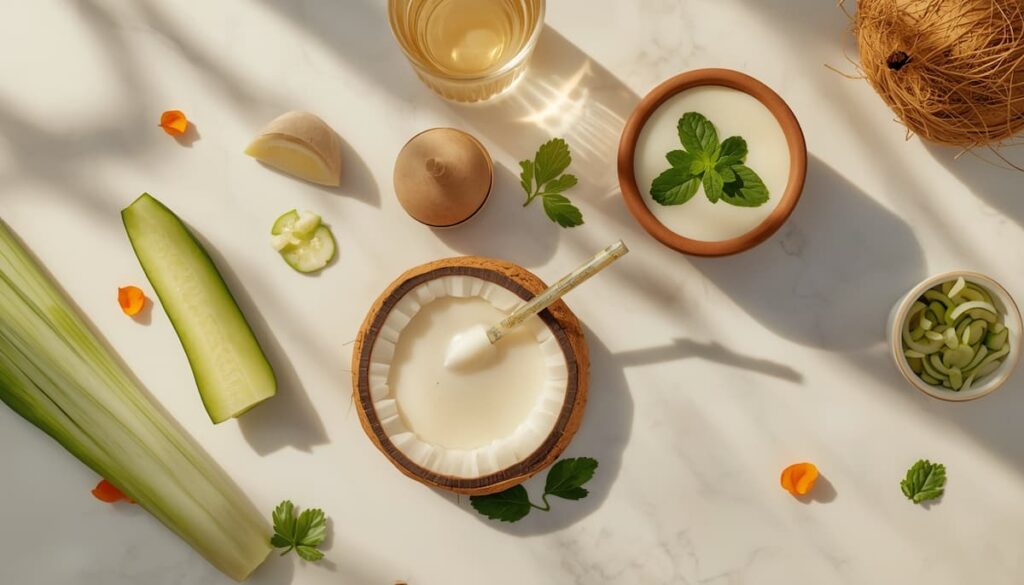
My dietary recommendations for summer include: favour sweet, bitter, and astringent tastes; eat light, cooling, and easily digestible foods — fresh fruits, coconut water, cucumber, buttermilk, mint, coriander, and fennel. Avoid spicy, salty, and sour foods, as well as fermented preparations and red meat.
Therapeutically, this is an excellent season for cooling herbal facials, body polishing with sandalwood and rose, and Shirodhara with coconut oil. Limit intense outdoor exercise to early morning hours.
Monsoon (Varsha Ritu): Strengthening Digestion and Managing Vata
The monsoon is the season I consider most critical from a preventive health standpoint. The damp, cold, variable nature of the monsoon simultaneously aggravates Vata and severely weakens Agni. This combination — heightened Vata with depleted digestive fire — makes the body extremely vulnerable to infections, joint pain, gas and bloating, emotional instability, and skin conditions.
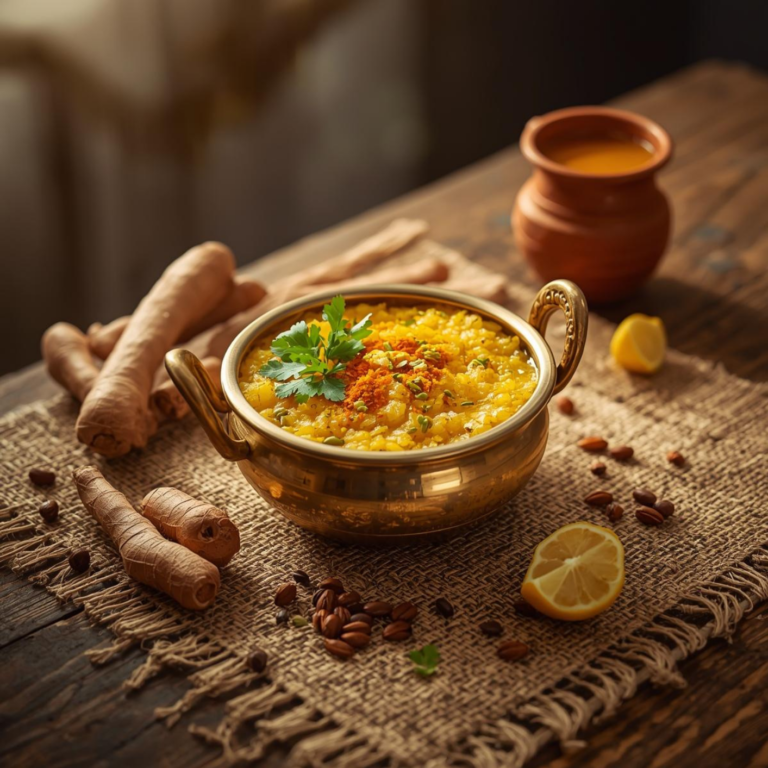
My monsoon dietary guidelines: eat warm, freshly cooked, light, and easily digestible foods — khichdi, soups, steamed vegetables, moong dal, and ginger tea. Strictly avoid raw salads, cold beverages, leftover food, heavy dairy, and ice cream. Ensure boiled or purified water only.
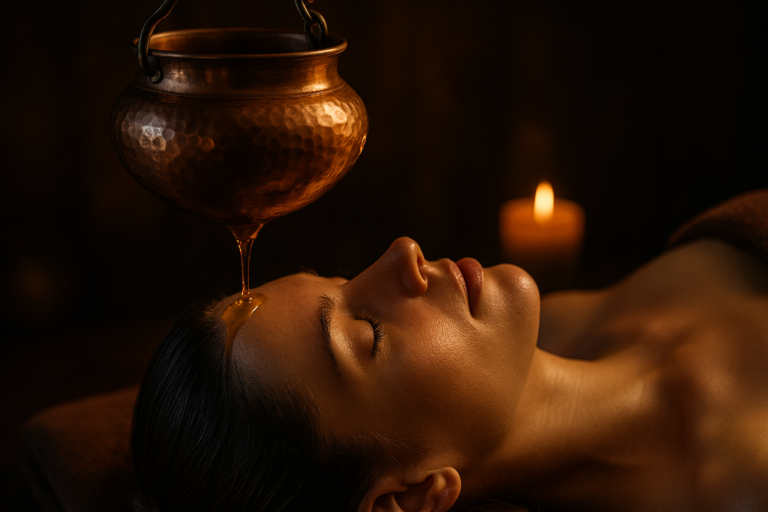
Monsoon is the classical Ayurvedic season for Panchakarma. I cannot overstate this: the body’s pores are naturally open, Vata is elevated and receptive to oleation, and the environmental conditions are ideal for deep detoxification. A well-timed monsoon Panchakarma program at Swaanubhutii offers profound therapeutic benefits that are difficult to replicate in other seasons.
Autumn (Sharad Ritu): Pitta Pacification and Post-Monsoon Cleansing
Autumn is a period of Pitta release — the accumulated Pitta of summer and the dampened state of the monsoon now come to full expression. This is the season most associated with fevers, skin eruptions, hyperacidity, and Pitta-driven inflammatory conditions.
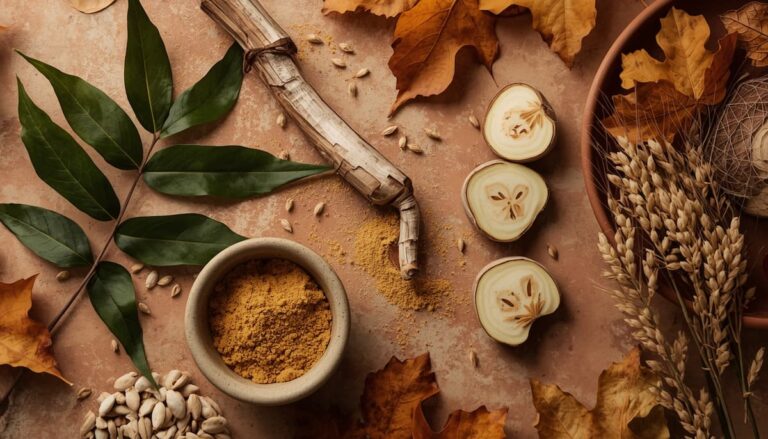
A light Virechana (purgation therapy) or a short Pitta-pacifying diet can prevent a host of autumn illnesses. I recommend bitter and astringent foods, light grains, and avoiding excessive sour, salty, and pungent foods during this transition. Neem, Kutki, and Guduchi are excellent Pitta-pacifying herbs for this season.
Winter (Hemanta & Shishira Ritu): Building Immunity and Strength
Winter is Ayurveda’s season of strength-building. Agni is at its most powerful — the body can metabolise heavier, more nourishing foods effectively. This is the season to build Ojas (vital immunity), strengthen muscles and bones, and prepare the body for the demands of the year ahead.
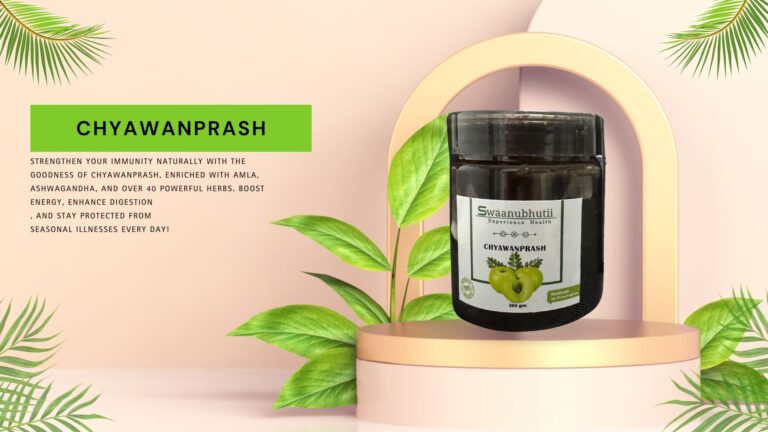
I recommend: warm, nourishing, unctuous foods — ghee, sesame seeds, root vegetables, warm spiced milk, whole grains, and protein-rich legumes. Chyawanprash — one of Ayurveda’s most revered immunomodulating formulations — is specifically prescribed for winter consumption. Our Swaanubhutii Chyawanprash is prepared from traditional recipes using fresh Amla and over 40 herbs.
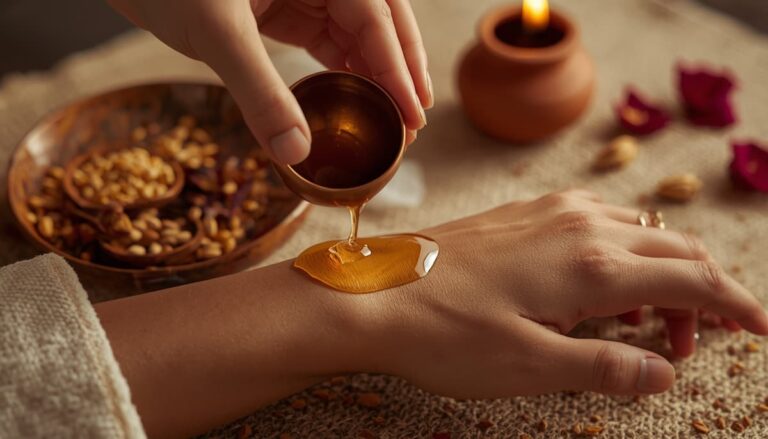
Daily Abhyanga with warm sesame oil, indoor exercise, and warm baths are essential winter health practices. Hair oiling with our medicated hair growth oil is particularly effective in winter, as the oil penetrates deeply when the scalp is warm.
Spring (Vasanta Ritu): The Season of Renewal and Gentle Detox
Spring brings warming temperatures that cause accumulated winter Kapha to liquefy and flow through the body — often manifesting as allergies, congestion, colds, and general sluggishness. This is a season for lightening and cleansing, not building.
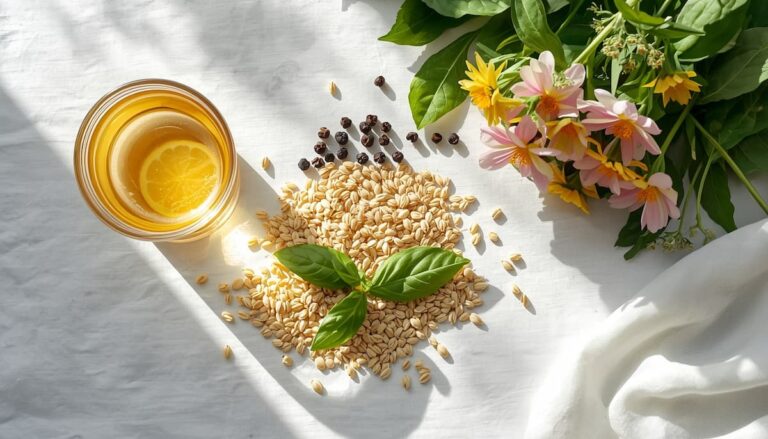
My recommendations: favour light, dry, pungent, and bitter foods — barley, millet, honey, green leafy vegetables, ginger, and pepper. Reduce heavy dairy, sweets, and oily foods. A short spring cleanse — including Nasya, light Basti, and a Kapha-reducing diet — at Swaanubhutii can clear the accumulated residue of winter and set the foundation for a healthy, energetic year.
Seasonal Wellness Programmes at Swaanubhutii
At Swaanubhutii, we structure our treatment offerings to align with Ritucharya. Our seasonal wellness programmes are designed to give your body exactly the support it needs at each transition point of the year — whether that’s a monsoon Panchakarma detox, a winter immunity-building course, a summer cooling therapy, or a spring Kapha-cleansing program.
If you want to stop reacting to every seasonal change with illness and instead build a body that adapts with ease, I encourage you to experience Ritucharya-based wellness with us. Contact Swaanubhutii at +91 9021649935 or visit us at Warje, Pune.

— Dr. Dipti Deshpande, BAMS | Ayurvedic Preventive Health Expert, Swaanubhutii
This is a thoughtful and well-structured piece grounded in both classical Ayurvedic principles and clear clinical experience. The way you’ve connected seasonal changes with dosha dynamics and digestive strength makes the concept of Ritucharya feel practical rather than theoretical.
The explanation of the monsoon season stood out in particular—highlighting the simultaneous aggravation of Vata and weakening of Agni is both accurate and highly relevant from a preventive health perspective. Your emphasis on the timing of Panchakarma during this period is especially valuable.
I also appreciated the clarity with which you’ve outlined the transition into Sharad and winter, especially the focus on Pitta pacification followed by Ojas building. It reflects a deep understanding of seasonal physiology rather than a one-size-fits-all approach.
In today’s fast-paced lifestyle, people often overlook the importance of adapting to seasonal rhythms. Writing like this plays an important role in bringing that awareness back in a practical and accessible way. Looking forward to your future articles.
– Kaivalya Vaidya Guruji
“A fantastic and deeply insightful guide to Ritucharya! It’s rare to find such a clear explanation of how our bodies react to seasonal shifts. The specific dietary recommendations for each Ritu are incredibly practical for anyone looking to align their lifestyle with nature. Great job, Swaanubhutii!”
Thank you so much, Nikhil! You’ve captured the essence beautifully — Ritucharya is truly about listening to nature’s rhythm. So glad this was helpful. Do share it with anyone who might benefit! 🙏
True
Thank you Pritee! Simple truths from Ayurveda often resonate the most. 🙏 Feel free to reach out if you’d like a personalised seasonal wellness plan.