
Ayurveda for PCOS: What Doctors Aren’t Telling You
By Dr. Dipti Deshpande, BAMS | Women’s Health & Hormonal Balance Specialist | Swaanubhutii, Pune

PCOS — Polycystic Ovary Syndrome — has become one of the most common diagnoses among women in India between the ages of 18 and 40. If you’re reading this, chances are you’ve already been through the allopathic route: blood tests, ultrasounds, the prescription for metformin or the contraceptive pill, the advice to ‘lose weight and manage stress.’
And yet, here you are. Still searching. Because the management of symptoms hasn’t given you the answers you’re looking for — why this happened, what’s actually driving it, and how to heal it without being on medication indefinitely.
Ayurveda has a different set of answers. And after treating dozens of PCOS patients at Swaanubhutii in Pune, I can tell you that the Ayurvedic approach to PCOS frequently produces outcomes that the symptomatic approach alone cannot.
What Ayurveda Sees That Blood Tests Don’t Show
Modern medicine classifies PCOS by its symptoms — irregular periods, elevated androgens, polycystic ovaries on ultrasound. It treats these symptoms with hormones and insulin sensitisers. The question of why the hormonal disruption started in the first place is largely unanswered.
In Ayurveda, PCOS maps most closely to a condition called Artava Kshaya — depletion and disruption of the reproductive tissue (Artava Dhatu). This is typically driven by a combination of two dosha imbalances:
Kapha accumulation governs structure, density, and growth. When Kapha is excessive, it causes the formation of cysts and leads to weight gain, sluggishness, and blockage of reproductive channels.
Vata aggravation governs all movement and cycle regulation in the body — including the menstrual cycle. When Vata is disturbed by irregular eating, stress, late nights, and overwork, the menstrual cycle becomes erratic or ceases.
In many PCOS patients, there is also a Pitta component — manifesting as acne, inflammation, and the emotional irritability that accompanies hormonal disruption. The Ayurvedic approach works to correct this underlying imbalance through diet, lifestyle, Panchkarma therapies, and targeted Ayurvedic formulations.
The Ayurvedic PCOS Treatment Approach at Swaanubhutii
Step 1: Panchkarma — Clearing the Ground
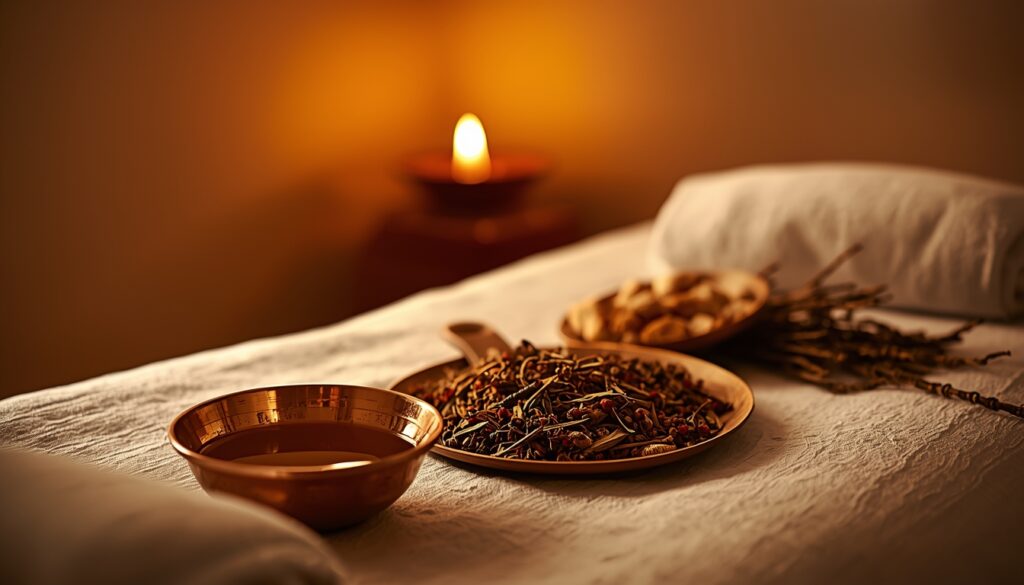
The first step is removing accumulated Ama that is obstructing the reproductive channels. Virechan (medicated purgation) clears excess Pitta and Kapha from the liver and GI tract. Basti (medicated enema therapy) — the single most important Panchkarma therapy for PCOS — directly addresses Vata, regulates apana vayu (the downward-moving energy that governs menstruation), and clears the pelvic channels.
Step 2: Dietary Modification for PCOS
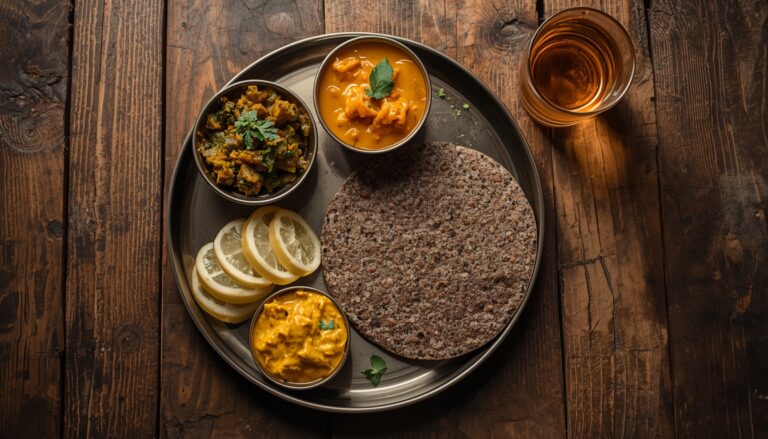
Food is medicine in Ayurveda, and the dietary changes for PCOS are specific and immediately actionable. The general principle is to reduce Kapha-aggravating foods while supporting digestive fire (Agni).
- Eat: Warm, cooked foods. Ginger, turmeric, cumin, coriander. Bitter vegetables (karela, methi). Light grains like ragi and jowar.
- Reduce: Cold, heavy, oily, sweet, and processed food. Dairy (especially cold milk and ice cream). Refined flour and sugar.
- Timing: Eat your largest meal at midday when Agni is strongest. Avoid eating after 7pm.
Step 3: Herbal Support — Shatavari Kalpa
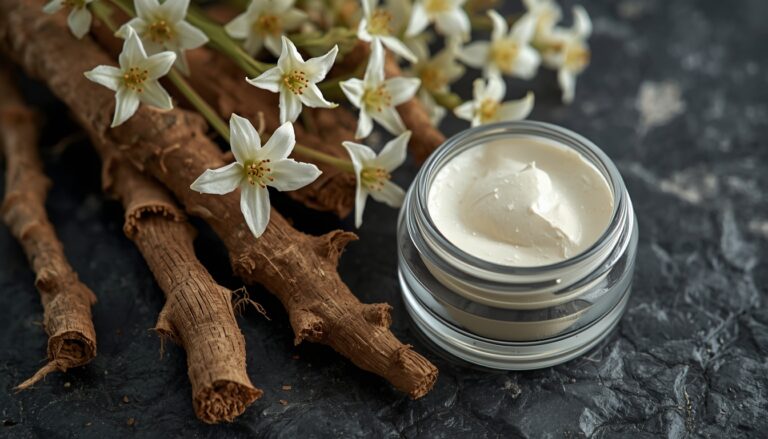
Of all Ayurvedic herbs for women’s health, Shatavari (Asparagus racemosus) is the most important for PCOS. Shatavari has phytoestrogenic properties — it supports healthy oestrogen balance without synthetic hormones. It strengthens the reproductive tissue, regularises the menstrual cycle, and supports overall hormonal balance.
At Swaanubhutii, our Shatavari Kalpa is specifically formulated for women dealing with hormonal imbalance, PCOS, menstrual irregularities, and general weakness. The formulation combines Shatavari with Ashwagandha (adaptogenic — directly addresses stress-driven PCOS), Bala (strengthens uterine tone), and Elaichi (supports digestion and absorption). Best consumed with warm milk twice daily.
Step 4: Lifestyle Reset
Stress is one of the primary Vata-aggravating factors in modern PCOS. The lifestyle recommendations are non-negotiable: sleep before 10pm, consistent meal times, daily movement (30 minutes of walking or yoga), and Abhyanga (self-massage with warm sesame-based oil) three times a week to ground Vata.

What Results Can You Expect from Ayurvedic PCOS Treatment?
Patients who commit to the full Ayurvedic PCOS programme — including Panchkarma, dietary changes, herbal support, and lifestyle adjustments — consistently report improvement in cycle regularity within 2–3 months, reduction in acne and skin issues, reduction in cyst size on follow-up ultrasound (varies by individual), weight management improvement, and a significant reduction in the anxiety and emotional heaviness that accompanies PCOS.
Ayurveda does not promise overnight results. But it offers something the symptomatic approach cannot: the genuine possibility of healing PCOS at its root, rather than managing it indefinitely.
A Note on Combining Ayurveda and Allopathy
If you are currently on medication for PCOS — metformin, contraceptives, or others — I strongly recommend not stopping them without your prescribing doctor’s knowledge. Our approach at Swaanubhutii is always integrative. We work with, not against, whatever medical care you are already receiving.
📞 Book a PCOS consultation with Dr. Dipti at Swaanubhutii: +91 90216 49935 🌐 swaanubhutii.com | Shatavari Kalpa available online + at clinic
Frequently Asked Questions
Can PCOS be cured with Ayurveda?
Ayurveda aims to address the root doshic imbalance rather than suppress symptoms. Many patients experience significant and lasting improvement. Results vary based on the individual, duration of condition, and consistency of treatment.
How long does Ayurvedic PCOS treatment take?
Most patients notice initial improvements in 2–3 months. A full treatment programme is typically 6–9 months. Panchkarma provides the foundation; lifestyle and herbal support maintain the results.
Is Shatavari Kalpa safe during PCOS?
Yes — Shatavari Kalpa is specifically indicated for hormonal imbalance and PCOS in women. However, as with any herbal formulation, we recommend taking it under guidance, particularly if you are on other medication.
— Dr. Dipti Deshpande, BAMS | Women’s Health Specialist, Swaanubhutii
Superb article Dr Deepti. Thanks. I am passing this information to my friend suffering from this issue. She will definitely contact you.
Thank you so much, Pallavi! 🙏 Your kind words mean the world to us. We’re truly glad the article resonated with you, and how wonderful that you’re sharing it with your friend — that’s the spirit of healing coming full circle. We hope she finds the support she’s looking for, and we’d be more than happy to help her on her journey. Wishing her good health! 🌿