
Abhyanga: The 20-Minute Ayurvedic Self-Massage That Changes Your Body, Mind, and Sleep
By Dr. Dipti Deshpande, BAMS | Ayurvedic Wellness & Lifestyle Expert | Swaanubhutii, Pune
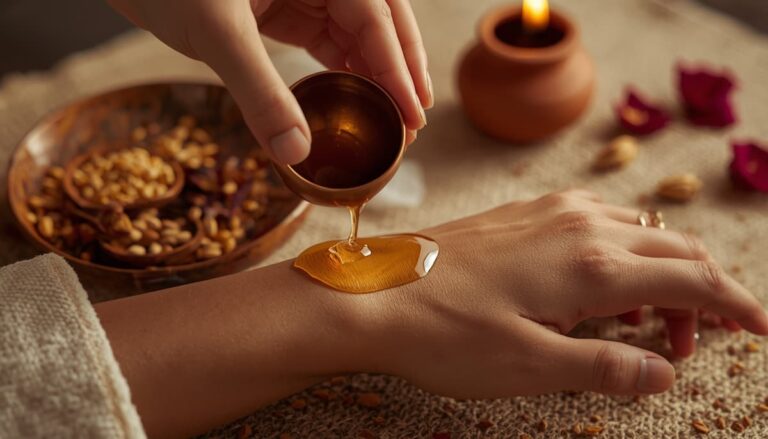
Abhyanga self-massage is one of Ayurveda’s most powerful daily practices — and it takes just 20 minutes. Part of the traditional Dinacharya (daily routine), Abhyanga involves massaging warm medicated oil onto the body with intention and pressure. No equipment. No appointment. No special skill. Just the right oil and the willingness to do something deeply nourishing for yourself.
I recommend Abhyanga to almost every patient at Swaanubhutii. Whether you’re dealing with stress, poor sleep, dry skin, joint stiffness, chronic fatigue, or anxiety — regular Abhyanga addresses the physiological root of all these conditions through one simple practice.
What Abhyanga Actually Does to Your Body
The skin is not just a barrier — it is an active organ of absorption, communication, and elimination. When you apply warm medicated oil to the skin and massage it in with intention and pressure, several things happen simultaneously.
Lymphatic stimulation: The lymphatic system has no pump of its own — it relies entirely on muscular movement and external pressure to circulate. Abhyanga provides precisely this stimulation, moving lymph through its channels, clearing accumulated waste, and supporting immune function.
Nervous system regulation: Warm oil applied to the skin directly activates the parasympathetic nervous system — the ‘rest and digest’ response. Cortisol drops. Heart rate slows. The chronic low-level tension most urban adults carry begins to release.
Vata pacification: In Ayurveda, Vata governs the nervous system, movement, and dryness. Most modern health complaints — anxiety, insomnia, irregular digestion, dry skin — have a Vata component. Warm oil is the direct antidote to Vata. Regular Abhyanga is the most effective daily practice for keeping Vata in balance.
Skin nourishment: The right oil — especially Sesame (Til) — penetrates seven layers of skin tissue, nourishes the Asthi Dhatu (bone tissue), improves skin texture and tone, and delivers herbal actives directly to the deeper tissues.
Detoxification support: Abhyanga mobilises Ama from the peripheral tissues back into the GI tract for elimination. This is why Abhyanga is always performed as the preparatory step (Poorva Karma) before Panchkarma at Swaanubhutii.
The Right Oil for Abhyanga — and Why It Matters
Not all oils are appropriate for Abhyanga, and the choice matters significantly. In Ayurveda, oil selection is based on your dosha type and the current season.
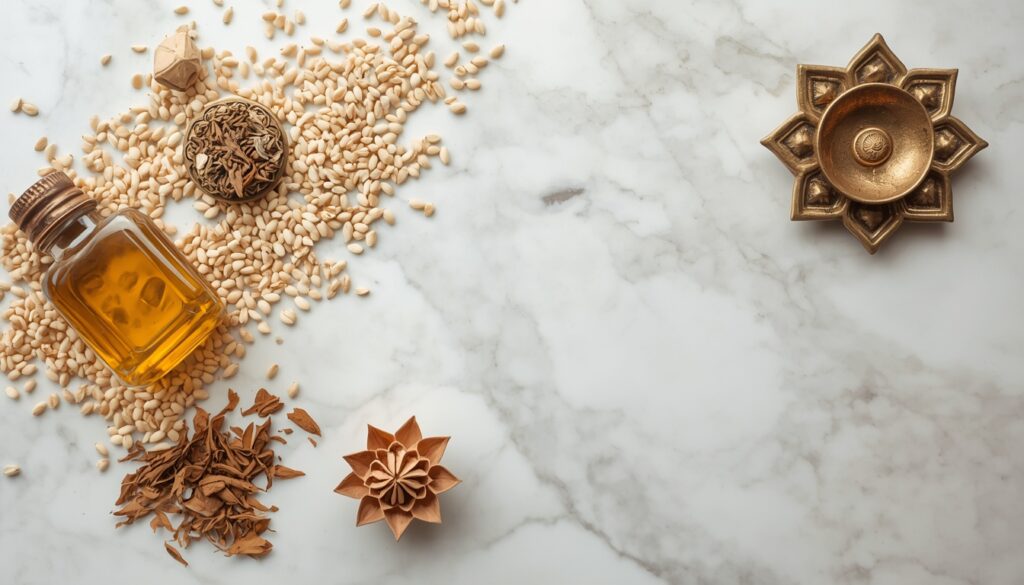
- Vata constitution or dry season: Sesame oil (Til) is the classical choice — warming, heavy, and deeply nourishing. Our Swaanubhutii Abhyangam Oil uses Sesame as its base, infused with 10 Ayurvedic herbs for enhanced therapeutic action.
- Pitta constitution or summer: Coconut oil or cooling herb-infused oils. In Pune’s April–June summer, even Vata-dominant individuals benefit from a cooler base.
- Kapha constitution: Lighter oils with stimulating herbs — mustard oil or medicated oils with warming herbs like Dashmoola.
How to Do Abhyanga Correctly — Step by Step
What You Need:
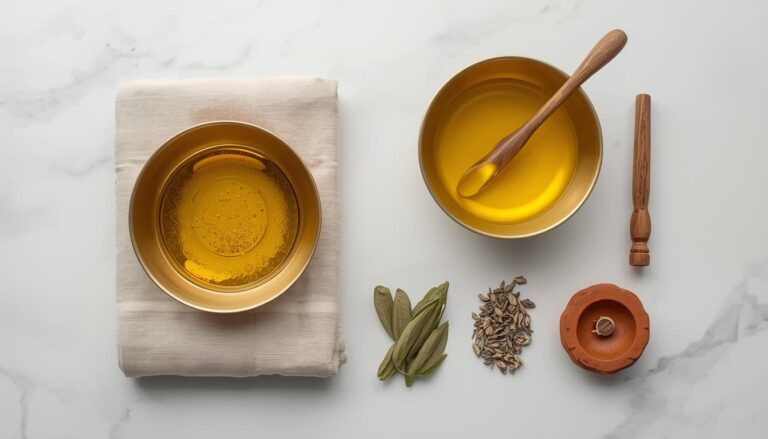
- Swaanubhutii Abhyangam Oil (or any good quality sesame-based medicated oil) — 2–3 tablespoons
- A small bowl to warm the oil (place in hot water for 3–4 minutes)
- 20 minutes of uninterrupted time; old towel or mat to stand on
The Technique:
- Warm the oil to comfortably warm — not hot. Test on the inner wrist.
- Start at the crown: Apply oil to the scalp, massaging in circular motions with fingertips. 2 minutes.
- Face and ears: Gentle circular strokes. Include the ears — there are many Marma points here.
- Long strokes on limbs: Use long, downward strokes on the arms and legs, always toward the heart.
- Circular strokes on joints: Clockwise circles on knees, elbows, hips, and shoulders.
- Abdomen and chest: Large, clockwise circles on the abdomen (following the direction of the colon).
- Rest for 10–15 minutes. This is when the oil penetrates the deeper tissues.
- Shower with warm water and a gentle natural cleanser.
What Changes When You Do Abhyanga Regularly
Patients who maintain a regular Abhyanga self-massage practice — even just once or twice a week — consistently report within 4–6 weeks:
- Noticeably improved sleep quality
- Reduction in anxiety and mental scatter
- Softer and more resilient skin
- Reduced joint stiffness, particularly in the morning
- A general feeling of being more ‘at home’ in the body
These are not small changes. These are foundational shifts in how the nervous system operates. And they come from one of the simplest, most accessible practices in all of Ayurveda.

Shop Swaanubhutii Abhyangam Oil: swaanubhutii.com 📞 Book a professional Abhyanga session at our Pune clinic: +91 90216 49935

— Dr. Dipti Deshpande, BAMS | Ayurvedic Wellness Expert, Swaanubhutii
Wow ur commitment to come up with information bits each time is commendable
Self massage with ayurvedic oil … This was a nice piece of information esp the How-to part.
Thank you so much, Madhura! 🙏 We’re so glad the how-to section was helpful — that’s exactly the part we wanted to make as practical and easy to follow as possible. Abhyanga is truly a beautiful self-care ritual, and once you make it a habit, you’ll wonder how you ever lived without it! Feel free to reach out if you have any questions. 😊
That means so much to us, Raghunandan! 🙏 Your encouragement truly fuels our passion to keep creating meaningful, authentic content. Ayurveda has so much wisdom to offer, and we feel deeply committed to sharing it in ways that are practical and accessible for everyone. Thank you for being such a wonderful part of our community! 🌿